



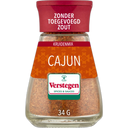

Verstegen achieves significantly lower CO2 emissions by reducing packaging materials
Rotterdam, January 20, 2025 - Verstegen has taken a significant step toward reducing CO2 emissions by reducing the weight of its iconic glass shaker with the red cap. Starting in January 2025, the thickness of the glass will be adjusted, requiring 14% less material. This glass reduction will reduce Verstegen's glass consumption by 270,000 kilograms annually and lower its CO2 footprint by approximately 313 tons of CO2*. The first lighter shakers will be available starting in January 2025. This is one of many steps toward achieving its ambition to reduce the CO2 impact of its packaging range by 90% by 2035, compared to 2022.
What else does Verstegen do?
In addition to reducing glass, Verstegen uses rPET (recycled PET) in the packaging of its professional range. These spice jars are made of 99% recycled plastic (rPET) and contain a 1% UV filter to ensure the quality of the herbs and spices. The labels are also cold-washable, which promotes the recycling process.
Ambitions for the future
Verstegen continues to invest in innovative and sustainable solutions. The focus is on using fewer materials, more efficient packaging, and sustainable new materials. The use of mono-materials, which are easier to recycle, is a good example of this.
*From a calculation by the Stimular Foundation. The 313 tons of CO2 in the text is based on the annual savings of 270,000 kilos of glass. This is done by applying an emissions factor that indicates the CO2 equivalents released during the glass production process and transport, from producer to retailer.