



Low salt or low sodium: what's the difference?
What we eat every day sometimes contains more salt than we realize. And too much salt is bad for our health. A low-salt or low-sodium diet can be a solution. But what exactly is such a diet, and what's the difference between the two? We'll explain.
The effect of too much salt
Cheese, deli meats, processed meats, meat substitutes, but also soups, sauces, and other condiments contain more salt than you think. You can easily consume between seven and ten grams of salt a day, but did you know that a person needs just six grams of salt? Your body only uses three grams a day.
Eating too much salt damages your kidneys. Why is it important to keep your kidneys healthy? Your kidneys function as a filtering system in the body: they remove waste and maintain your fluid and salt levels. They also regulate your blood pressure, produce hormones that regulate red blood cell production, and contribute to strong bones. In short, your kidneys do a lot for you.
Low-salt diet
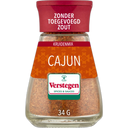
Eating less salt is the best way to prevent further damage to your kidneys. A low-salt diet involves using less or no salt at all – both when cooking and when eating. Many people find dishes without salt bland or tasteless, but that doesn't have to be the case. You can actually add a lot of flavor to your food with various herbs and spices. For example, cook celeriac with your potatoes and mash it with them when making mashed potatoes. Or add a little chili powder to your dish for a bit of extra spice. You can also use special spice mixes that don't contain any added salt ( salt-free spice mixes ).
Low sodium diet
Another option is a low-sodium diet. This isn't about the amount of salt you consume, but the amount of sodium. Table salt consists of a combination of two substances: sodium and chloride. Research shows that sodium is the main culprit in many health problems. So, by consuming less sodium, you can potentially avoid health risks. For example, you can use low-sodium spice mixes . You can also use potassium salt instead of salt that contains sodium. Potassium is a mineral, just like sodium. Like sodium and chloride, potassium helps regulate fluid balance and blood pressure in the body and transmits nerve impulses to muscles. However, it is recommended to check with a doctor whether potassium salt can be combined with antihypertensive medication, as this can lead to potassium accumulation in the body.
Low sodium or low salt: the difference
The difference between low-salt and low-sodium is that with a low-salt diet, you eliminate as much salt as possible and add flavor in a different way, by cooking with herbs and spices. With a low-sodium diet, you replace the sodium salt with another salt that doesn't contain sodium, such as potassium salt, or you use low-sodium spice mixes.