



The herb compass - choose the route that suits your approach
In the modern kitchen, you continuously balance creativity and efficiency. Do you choose
maximum freedom and your own signature, or speed and consistent quality? From gastronomic flavor building to clever flavor shortcuts. Johan Lagerwaard, Verstegen picolier, helps you discover which herbs, spice mixes, and flavorings suit your kitchen, technique, and service flow.
I want to combine the perfect flavors myself
Single herbs & spices
If you know the properties of individual herbs and spices, you can consciously build and combine flavors.
“Each herb or spice has its own character. Combining different flavors creates a surprising and original dish. For example, cinnamon and nutmeg provide a warm, rich taste, and coriander leaves bring freshness. Basil and sage, on the other hand, give an Italian or Mediterranean flavor.
Use the right techniques to release the aromas. Whole spices can steep for a long time, gradually releasing their flavor. Ground spices are better when briefly heated in oil. Roasting spices also gives a deeper, intense flavor. Combine roasted and unroasted spices for extra complexity.
I enjoy working with lesser-known or underrated herbs and spices. Lovage, for example, also known as maggi plant. Its savory flavor works excellently when you want to add extra umami. Another favorite is sumac, with a fresh citrus flavor without the sour notes of lemon. Delicious in salads, but also on fish and even meat.”
I am looking for a flavor direction for my dish
World Spice Blends
An excellent base for developing a dish inspired by one of the many world cuisines.
“Choose a World Spice Blend based on the dish or desired flavor profile. For example, chimichurri herbs are ideal for grilled Argentinian beef skewers. But the same blend can also be used in an Italian tomato sauce that gets a bit more spice thanks to the chili peppers.
The application possibilities are broad. In addition to being a flavor enhancer, they are also very suitable as a finishing touch. For example, za’atar is perfect for seasoning hummus or labneh. The blends also lend themselves well to a quick twist on mayonnaise, yogurt, dressing, dip, salad, or sandwich.
The World Spice Blends that contain salt are also very suitable as a base for a herb broth. You can then use this for risotto, soup, or to poach fish. Blends without salt, such as ras el hanout and tandoori, are best when marinated beforehand. If you use them as a rub? Then you only need to add some salt and possibly sugar yourself for a good flavor balance.”
I am looking for a solution for a specific part of my dish
Spice Blends
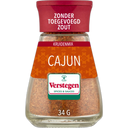
Spice Blends are practical to use, as these herb mixes are specially developed for a specific application or preparation.
“The Spice Blends are specially developed to highlight the right flavors of, for example, chicken, steak, or hachee. We have many mixes inspired by traditional dishes from various cuisines.
For Spice Blends that contain salt, a usage recommendation is always stated on the packaging. This prevents your dish from becoming too salty. Do you want more control over the flavor balance? Then choose salt-free blends; with these, you decide how much flavor you add and how much salt.
There are also herb mixes that ensure a better end result or optimal preparation. A good example is the Combisteamer mix. This herb mix adheres well to the product, does not burn during preparation in the combisteamer, and helps prevent dehydration. The various dry marinades are also developed to improve both the taste and preparation of dishes.”